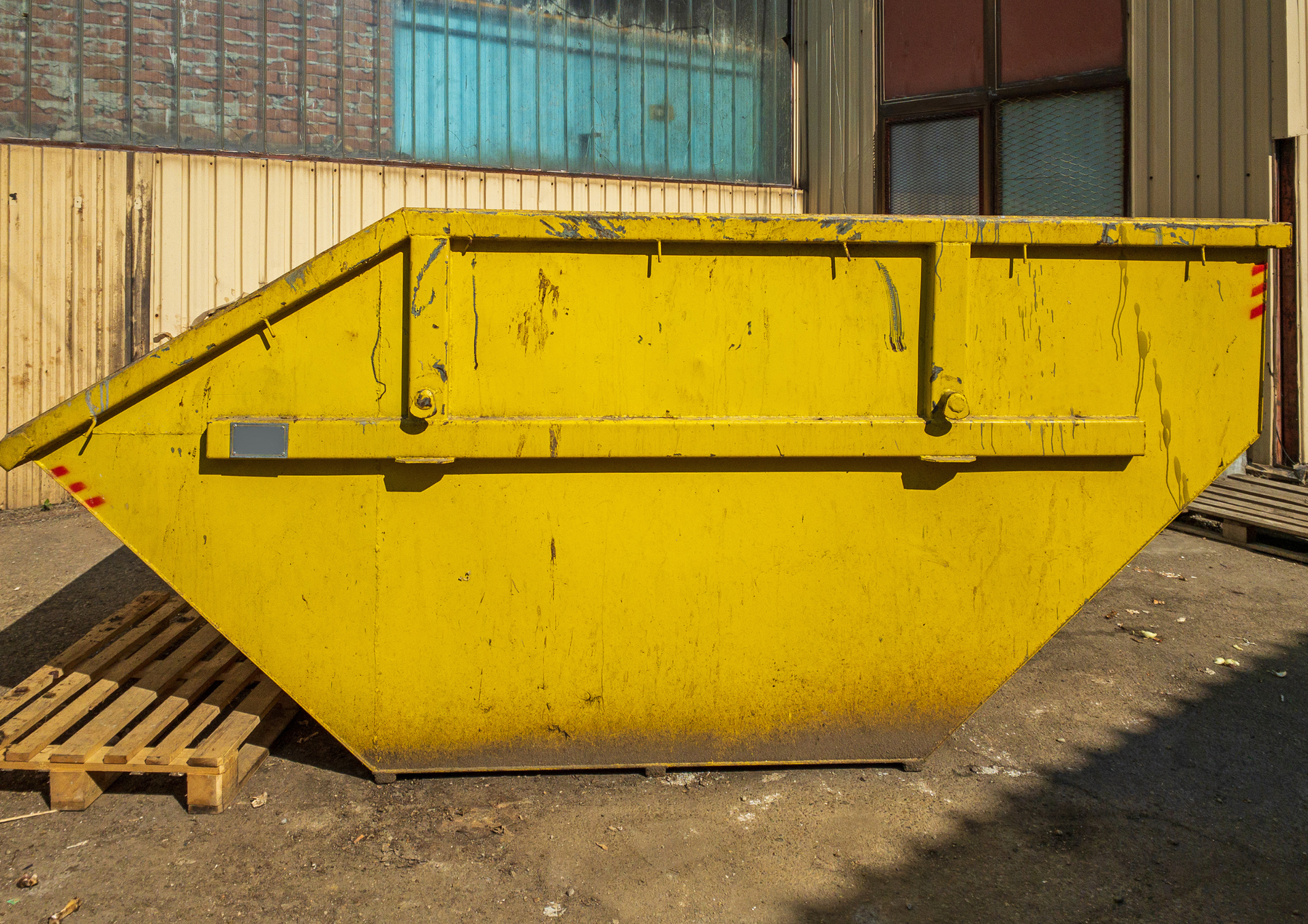

How to Get the Cheapest Skip Hire Without Hidden Fees or Delays
Finding an affordable waste removal service is an important consideration when planning a household clearance, property renovation, garden improvement or commercial refurbishment. Although keeping expenses under control is a priority, choosing a provider based solely on the lowest advertised quotation can sometimes result in unexpected charges, unsuitable equipment or inconvenient collection arrangements.
Understanding how waste removal services are priced allows customers to make informed decisions before committing to a booking. Factors such as container size, hire duration, waste type, delivery location and collection requirements can all influence the final amount payable. By reviewing these details in advance, customers can identify suitable services without compromising the practical requirements of their project.
For homeowners, landlords, surveyors, local authorities and those responsible for residential or commercial properties, finding the cheapest skip hire involves comparing the overall service rather than focusing exclusively on the initial quotation. A reasonably priced service should provide suitable capacity, clear booking arrangements and dependable waste removal without unnecessary complications.
Whether the work involves clearing a single room, renovating an entire property or managing waste from a larger development, careful preparation can help prevent avoidable expenditure. Understanding the likely volume of waste, identifying suitable placement areas and discussing collection arrangements before booking all contribute to a more organised experience.
This guide explains how to compare quotations, recognise potential additional charges, choose appropriate equipment and work with a dependable local provider while maintaining control over your waste management budget.
Understanding What Can Affect the Final Quotation
Waste removal charges are influenced by several practical considerations. Understanding these factors helps customers compare services fairly and identify potential additional expenses before making a booking.The following categories explain what should be considered when reviewing a quotation.
Container Size and Capacity
- Smaller containers are generally suitable for household decluttering, minor decorating projects and limited garden clearances. Their lower capacity can make them a practical option when the expected waste volume is modest.
- Larger containers may be required for extensive property renovations, commercial clearances and construction work. Although they generally involve a higher initial charge, selecting sufficient capacity can reduce the need for additional deliveries and collections.
- Estimating the amount of waste before booking helps prevent customers from paying for unnecessary space or choosing equipment that cannot accommodate the entire project.
- When comparing cheap skip hire prices, customers should check whether quotations refer to the same container size, waste allowance and hire duration.
Type and Weight of Waste
- Different materials require different handling and disposal arrangements. General household rubbish, garden waste, timber, soil and construction debris may therefore affect the final quotation.
- Heavy materials such as concrete, bricks and soil can be subject to weight restrictions or specific loading requirements. Customers should confirm these conditions before arranging delivery.
- Certain materials, including asbestos, electrical equipment and hazardous substances, may require specialist disposal rather than being placed in a standard container.
- Providing accurate information about the expected waste helps the provider recommend suitable equipment and explain any restrictions before the booking is confirmed.
Delivery Location and Accessibility
- The distance between the provider's operating location and the delivery address can influence transport arrangements and the overall quotation.
- Properties with narrow entrances, restricted parking or limited vehicle access may require additional planning before delivery can take place.
- Customers should identify a suitable placement area and explain any access difficulties when requesting a quotation.
- If the container must be positioned on a public highway, the relevant permission may be required. The provider should explain who is responsible for arranging this and whether any associated charges are included.
Hire Duration and Collection Arrangements
- Standard hire periods vary between providers. Customers should confirm how long the container can remain on site before additional charges may apply.
- Longer renovation projects may require extended hire arrangements, while smaller domestic clearances might only need a container for a few days.
- Collection procedures should be discussed before booking, particularly when the project has a fixed completion date.
- Confirming whether collection is included in the original quotation helps prevent misunderstandings when the container is ready for removal.
Understanding these factors provides a clearer basis for comparing different providers. Rather than assuming that every quotation includes identical services, customers can review the details and choose an arrangement that matches their project requirements.
How to Avoid Unexpected Charges When Booking Waste Removal
Unexpected charges can make an initially attractive quotation considerably less appealing. Although additional fees are sometimes justified by changes to the agreed service, customers should understand the circumstances in which they may arise before confirming a booking.
One of the most effective ways to avoid unnecessary expenditure is to request a clear quotation that identifies what is included. Delivery, collection, hire duration, permitted waste types and any applicable weight restrictions should be discussed at the outset. Having these details confirmed in writing provides a useful reference throughout the hire period.
Customers searching online for the cheapest skip hire near me should compare providers using the same project information. Requesting quotations for identical container sizes, waste types and hire periods makes it easier to identify genuine differences in cost rather than comparing services with different conditions.
Overfilling is another common issue that can create additional expense. Containers should not be loaded above the permitted level, as excessive waste may prevent safe transportation. Customers who underestimate the amount of material generated by their project may need to arrange an additional collection or a larger container.
To reduce this risk, consider the full scope of the work before selecting equipment. A kitchen refurbishment, for example, may produce old cupboards, worktops, flooring, packaging and other unwanted materials. Estimating the combined volume provides a more realistic indication of the capacity required.
Waste restrictions should also be checked carefully. Materials that are not accepted under the agreed service may require separate handling or disposal. Placing unsuitable items inside the container without prior agreement can result in additional charges or collection difficulties.
Hire duration is equally important. A customer arranging waste removal for a weekend clearance may have different requirements from a landlord managing a property refurbishment over several weeks. Discussing the expected timescale helps ensure the agreed hire period is appropriate.
Where a project is likely to experience delays, it is sensible to ask how extensions are arranged and whether additional charges apply. Understanding these conditions in advance allows customers to make informed decisions if their plans change.
Placement requirements can also influence the final amount payable. A container positioned on private land may involve different arrangements from one placed on a public road. Customers should establish whether permission is required and confirm any associated responsibilities before delivery.
The cheapest quotation is not automatically poor value, just as a higher figure does not automatically indicate better service. The more useful approach is to compare like for like. Consider capacity, hire duration, communication, delivery arrangements, collection procedures and the provider's approach to responsible waste management.
Taking time to review these details can help customers identify the cheapest skip hire that genuinely meets their requirements without overlooking important service conditions.
Choosing the Right Container to Keep Your Project Within Budget
Selecting suitable waste disposal equipment is one of the most practical ways to control expenditure. A container that is too small may require additional collections, while an unnecessarily large option can increase the initial expense without providing any meaningful benefit.
The appropriate choice depends on the type of project, the amount of waste expected and the available placement space.
Small Household Clearances
- Compact containers are often suitable for clearing cupboards, removing unwanted household items and completing minor decorating projects.
- A smaller option can be practical where driveway space is limited or the amount of waste is relatively modest.
- Customers should consider the size and shape of bulky items rather than estimating capacity based only on the number of objects being removed.
- Planning the clearance before delivery helps ensure the available space is used efficiently.
Garden Improvements and Outdoor Work
- Garden clearances may generate branches, hedge cuttings, soil, old fencing and other bulky materials.
- Different types of garden waste can have significantly different weights, so customers should explain what they intend to dispose of before selecting equipment.
- Larger landscaping projects may benefit from separating heavy materials from lighter green waste where practical.
- Choosing a suitable container helps maintain clear access around gardens, driveways and outdoor working areas.
Property Renovations and Building Projects
- Kitchen replacements, bathroom refurbishments and internal alterations can generate timber, plasterboard, tiles, packaging and other construction materials.
- Larger renovation projects may require greater capacity, particularly when several rooms are being refurbished at the same time.
- Customers should check whether heavy materials are permitted in their chosen container and whether any loading restrictions apply.
- When comparing cheap local skips, consider whether the available sizes are suitable for the actual waste volume rather than selecting the lowest advertised option without reviewing its capacity.
Commercial and Managed Properties
- Office clearances, retail refurbishments and commercial maintenance projects often produce waste that must be removed without disrupting normal operations.
- Landlords and property managers may need to coordinate deliveries and collections around tenant access, contractor schedules and property handovers.
- Local authorities and surveyors involved in property maintenance may benefit from clear information about placement requirements, collection procedures and waste restrictions.
- Choosing suitable capacity helps maintain organised working areas while reducing the likelihood of unnecessary additional bookings.
Planning Delivery and Placement
- Measure the available space before arranging delivery, particularly where access is restricted by walls, gates, parked vehicles or nearby structures.
- Consider how the delivery vehicle will approach the property and whether sufficient room is available for safe positioning.
- Keep pedestrian routes, entrances and essential access points clear wherever possible.
- Discuss any concerns with the provider before confirming the booking so suitable arrangements can be considered.
Selecting the correct equipment from the outset helps customers manage waste more efficiently while avoiding unnecessary changes during the project. A clear understanding of the expected materials, available space and collection requirements provides a practical foundation for making the right choice.
Comparing Local Providers Without Compromising Service Quality
Choosing a dependable local provider involves balancing affordability with the practical requirements of the project. Although the initial quotation is important, customers should also consider communication, availability, delivery arrangements and the provider's approach to responsible waste disposal.
Local knowledge can be particularly useful when arranging deliveries to residential streets, commercial premises and properties with restricted access. Providers familiar with the surrounding area may be better positioned to discuss practical delivery arrangements and identify potential access difficulties before the booking is confirmed.
Customers comparing services should begin by providing accurate project information. This includes the delivery address, expected waste type, estimated volume, preferred hire duration and any restrictions affecting vehicle access. Supplying consistent details allows different providers to prepare quotations on a comparable basis.
Clear communication is another important consideration. A professional provider should explain the available container sizes, permitted materials, collection arrangements and any conditions that could affect the final amount payable.
Customers may occasionally encounter unfamiliar search terms such as skip cheap hire when researching affordable waste removal. Regardless of how a service is advertised, the important consideration is whether the quotation clearly explains what the customer will receive and whether the proposed arrangements suit the project.
Availability should also be discussed before making a decision. A low quotation may be less useful if the required container cannot be delivered within the project's timescale. For property renovations and commercial work, delays in waste removal can affect access, contractor schedules and the overall organisation of the site.
However, immediate delivery is not always necessary. Customers with flexible project dates may find that arranging delivery in advance provides more opportunities to compare quotations and coordinate waste removal with other work.
Collection arrangements deserve equal attention. Some projects require removal as soon as the container is full, while others can accommodate a scheduled collection after the work has finished. Understanding the available options helps customers select a service that supports their timetable.
Responsible waste handling should also form part of the comparison. Customers can ask how materials are processed, whether suitable waste is separated for recycling and what restrictions apply to particular items. Clear answers provide reassurance that waste will be managed appropriately.
It is also useful to establish how changes to the original booking are handled. Renovations and property clearances do not always proceed exactly as expected, and customers may need to adjust collection dates or request additional capacity.A provider that explains these arrangements clearly can help customers understand their options before making further commitments.
For homeowners, landlords, surveyors, local authorities and businesses, the aim should be to select a service that provides suitable equipment, dependable arrangements and a clear understanding of the total expected expenditure.
By comparing the complete service rather than focusing exclusively on the advertised figure, customers can make more informed decisions while maintaining control over their waste management budget.
Finding an affordable waste removal service requires more than identifying the lowest advertised quotation. The overall value depends on selecting suitable equipment, understanding the agreed hire conditions and choosing a provider whose arrangements match the requirements of the project.
Customers searching for cheapest skip hire should consider the complete service rather than focusing solely on the initial price. Providing accurate information about waste materials, confirming permitted items and checking whether delivery, collection and the required hire duration are included can help reduce the likelihood of unexpected charges.
Choosing the correct container size is equally important. Equipment that matches the expected waste volume helps avoid unnecessary additional bookings while maintaining organised working areas throughout the project.
For residential and commercial properties, careful planning can make a significant difference. Understanding site access, arranging suitable placement and coordinating collection with the project schedule all contribute to a smoother experience.
The most useful approach is to compare providers on a consistent basis, review the complete service and ask questions about any conditions that are unclear.
Whether managing a household clearance, garden improvement, property refurbishment or larger commercial project, taking time to understand the available options can help customers control expenditure without overlooking reliability, convenience or responsible waste management.
Skip Hire Swansea provides a practical way for homeowners, landlords, surveyors, local authorities and those responsible for residential and commercial properties to arrange dependable waste removal across Swansea and the surrounding areas.
Our approach focuses on understanding the requirements of each project before recommending an appropriate solution. Whether you are clearing a residential property, improving a garden, renovating commercial premises or managing building waste, we aim to make the booking process straightforward.
We recognise that different projects involve different waste volumes, access requirements and timescales. Providing accurate information about your intended work allows us to discuss suitable container sizes, delivery arrangements and collection requirements.
Our focus is on helping customers understand the available options so they can make informed decisions based on their project requirements and expected expenditure.
If you are planning a property clearance, renovation or commercial project in Swansea, contact us to discuss your waste removal requirements and arrange a suitable service.
Check out our latest X update on
cheapest skip hire and discover how to get the best value without hidden fees or unnecessary delays!
You might also like