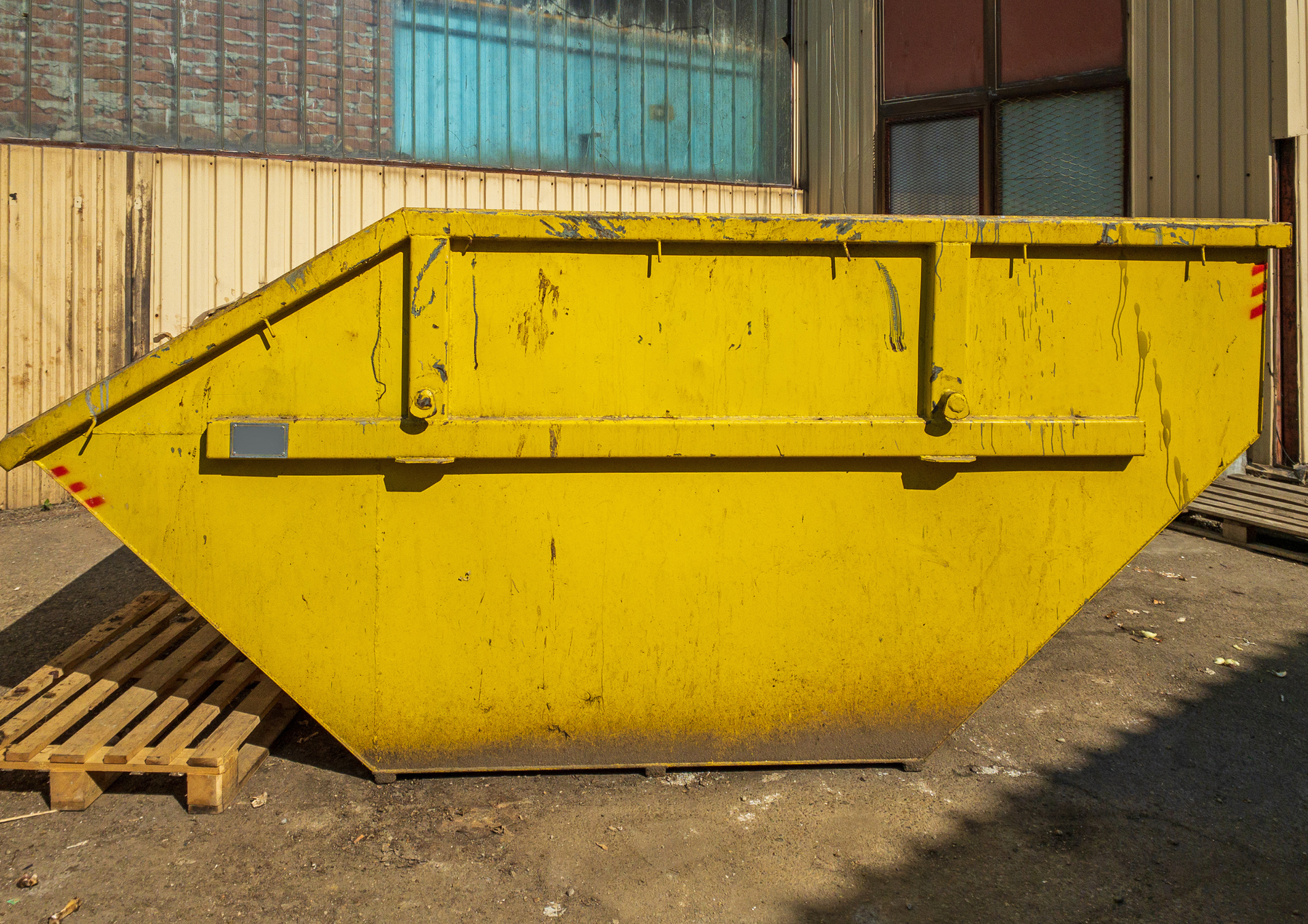

Understanding Skip Hire Prices for Different Sizes and Waste Projects
Choosing an appropriate waste container is an important part of planning a household clearance, renovation, garden project or commercial development. Different projects generate very different quantities of unwanted material, so the most suitable capacity should reflect the work being undertaken rather than simply choosing the first available option. Understanding skip hire prices can help customers compare capacity, service arrangements and overall value more effectively.
Homeowners may only need a modest container for decluttering or small DIY work, while landlords clearing an entire property can require considerably more capacity. Surveyors and local authorities coordinating maintenance projects may have different requirements again, particularly where several contractors or stages of work are involved. Commercial properties can also produce significant quantities of material during office clearances, refurbishment or construction.
Properties throughout Swansea range from smaller residential homes and terraced properties to larger commercial buildings and development sites. Access, available outdoor space and project requirements can therefore vary considerably. These differences are not unique to the area, and the same practical considerations apply to waste projects throughout the UK.
Planning before delivery makes it easier to estimate the volume of material, determine where a container could be positioned and understand how long it may be required. Customers can then choose capacity according to the complete project rather than discovering halfway through the work that their original estimate was unsuitable.
Understanding Different Skip Capacities and Their Uses
Different capacities are intended to accommodate different quantities and types of waste. Understanding skip sizes and prices together can help customers assess which option provides sufficient room for their project without automatically selecting a container that is unnecessarily large.
Smaller Capacities
- Smaller containers can suit household decluttering, individual room clearances and modest DIY projects.
- Their compact dimensions can be useful where outdoor space is limited.
- They may also suit smaller garden jobs involving manageable quantities of suitable material.
- Customers should consider bulky objects carefully because furniture and fittings can occupy capacity quickly.
Medium Capacities
- Medium options can be appropriate for kitchen and bathroom renovations, larger household clearances and general property improvement.
- They provide additional room where several types of material will be generated during the same project.
- Their capacity can make them practical for work extending across several rooms.
- Estimating the complete job beforehand helps determine whether this option provides sufficient space.
Larger Capacities
- Larger containers can support major renovations, commercial clearances and substantial building projects.
- They may reduce the need for repeated arrangements where significant volumes are expected.
- Customers need to consider whether sufficient space is available for positioning and collection.
- Material type and weight remain important considerations even where considerable physical capacity is available.
Matching Capacity to the Property
- Residential properties can have limited driveways, narrow access or restricted outdoor areas.
- Larger houses may offer more positioning options but can also generate considerably more material during a full clearance.
- Commercial sites may need to maintain access for employees, contractors, customers and delivery vehicles.
- The proposed position should be assessed before work begins rather than once waste has already accumulated.
The most suitable capacity is therefore determined by more than the apparent size of a project. Considering the expected materials, available space and duration of the work provides a more reliable basis for choosing an appropriate option.
What Can Affect the Overall Amount You Pay?
Container capacity has an obvious influence on skip hire prices, but it is only one part of the overall arrangement. Waste type, project duration, delivery requirements and accessibility can all affect what is required, which is why comparing options purely by container dimensions may provide an incomplete picture.
Waste materials differ considerably between projects. A household clearance might produce furniture, old belongings, packaging and general unwanted items, while renovation work can generate timber, fittings, flooring and building debris. Garden work may create branches and other bulky materials that occupy substantial space despite being relatively lightweight.
The length of the project should also be considered. A weekend decluttering job may be completed quickly, whereas a larger refurbishment could continue for several weeks. Having a realistic idea of the project timetable makes it easier to arrange delivery when the container will actually be useful and organise removal when the work is complete.
Accessibility is equally important. Narrow residential streets, parked vehicles, gateways and restricted entrances can affect delivery arrangements. Commercial sites may have loading areas, staff parking or operational requirements that need to remain accessible throughout the project.
The position itself should be considered before booking. A location close to the working area can reduce the distance materials need to be carried, but the container must not unnecessarily obstruct entrances or important access routes. Preparing the area before delivery helps the process proceed more smoothly.
Customers should also think about how quickly waste will be produced. Renovation projects can generate a large quantity during initial stripping-out work before slowing during later stages. Other projects may produce a steady amount over a longer period. Understanding this pattern can help determine when equipment should arrive and how long it is likely to be needed.
Clear communication with the provider is useful when requirements are uncertain. Describing the type of project, expected materials and available space gives a clearer picture of what is required and helps avoid decisions based on incomplete estimates.
Matching Waste Requirements to the Scale of Your Project
Waste volume can be difficult to estimate before a project begins, particularly where several rooms or areas are involved. Understanding the likely skip hire cost means considering not only how much material will be removed but also its type, bulk and the way the work will progress.
Household Clearances
- Single-room clearances may produce relatively modest quantities of unwanted belongings.
- Full-property clearances can involve furniture, carpets, stored possessions and other bulky items.
- Walking through each room beforehand can make estimating the complete quantity easier.
- Lofts, garages and sheds should be included when assessing the project.
Renovation Work
- Kitchens and bathrooms can generate old cabinets, fixtures, flooring and other materials within a short period.
- Larger renovations may create waste continuously across several stages.
- Estimating only the initial demolition phase can lead to an incomplete assessment.
- The requirements of the entire renovation should be considered before selecting capacity.
Garden Projects
- Landscaping, fencing work and general garden clearances can produce bulky materials.
- Branches and vegetation may take up more room than expected once removed.
- Different outdoor projects can generate very different quantities depending on the work involved.
- Customers should establish which materials are suitable before loading begins.
Commercial and Public Properties
- Offices can produce desks, chairs, shelving, packaging and general unwanted materials during a clearance.
- Retail refurbishments may involve displays, fixtures and interior materials.
- Public buildings can require waste arrangements to fit around contractors, employees and building users.
- Larger projects may benefit from coordinating disposal with individual stages of the work.
Assessing each part of a project separately can make estimating the total volume easier. Customers can then combine these estimates to form a more realistic understanding of the capacity required rather than basing their decision on one room or stage alone.
Planning Ahead Before Arranging Delivery
Customers preparing to rent a skip can make the process considerably easier by organising the site before delivery. A few practical decisions about placement, timing, loading and collection can prevent unnecessary complications once the project is underway.
The first consideration should be the amount of material expected. Waste frequently occupies more room after it has been removed from its original position. Kitchen cabinets, furniture, timber and garden materials may appear manageable beforehand but can take up considerable space once dismantled or gathered together.
At the same time, automatically choosing the largest available option is not always necessary. If a project is relatively modest, excessive capacity may remain unused. Realistic estimation provides a better balance between having sufficient room and avoiding equipment that is disproportionate to the work.
The proposed delivery area should also be prepared. Vehicles, stored materials and other obstacles should be moved where appropriate so access is as straightforward as possible. Customers should consider how waste will travel from the property to the container and keep that route accessible throughout the project.
Organised loading can help make more effective use of capacity. Suitable bulky items may sometimes be dismantled where practical, while smaller materials can be positioned carefully to reduce unnecessary gaps. Customers should also avoid exceeding permitted loading levels.
Timing matters as well. Having equipment delivered long before work begins can occupy useful space without providing an immediate benefit. Waiting until waste has already accumulated can create the opposite problem, with unwanted materials obstructing rooms or outdoor areas. Coordinating delivery with the stage at which substantial waste generation begins provides a more practical approach.
Collection should be considered in advance rather than treated as an afterthought. Understanding approximately when the project will finish makes it easier to plan removal and prepare the property for its next use.
Landlords may need a cleared property ready for contractors or new occupants. Homeowners could be preparing for decorating, renovation or moving. Surveyors and local authorities may be coordinating maintenance programmes where individual stages depend on areas being cleared. Commercial properties can have operational schedules that require delivery and removal to take place at appropriate times.
Good planning allows waste management to support the wider project rather than interfere with it. Considering volume, positioning, timing and loading together can create a more efficient process from the beginning.
Choosing suitable waste capacity requires more than looking at container dimensions. The type of project, expected volume, materials involved, available space and duration of the work all contribute to determining which option is most practical.
Smaller household projects may require relatively limited capacity, whereas property renovations, commercial clearances and construction work can generate substantially greater quantities. Understanding these differences before booking can help prevent equipment from filling sooner than expected or leaving customers with far more unused space than necessary.
Accessibility should also form part of the planning process. Residential streets, driveways, gates and commercial loading areas can all influence where equipment can be positioned and how easily it can be collected. Preparing the site beforehand helps reduce unnecessary complications.
Homeowners, landlords, surveyors and local authorities can benefit from estimating requirements carefully and coordinating waste removal with the wider project timetable. The same approach applies to commercial properties where work may need to continue alongside employees, contractors or normal business activity.
Ultimately, understanding
skip hire prices alongside capacity and service requirements can help customers make a more informed choice. A considered approach makes it easier to maintain organised working areas, reduce unnecessary interruptions and manage unwanted materials efficiently from the first stage of a project through to completion.
Skip Hire Swansea provides practical waste removal support for homeowners, landlords, surveyors, local authorities and those responsible for residential and commercial properties. We recognise that every project has different requirements, from smaller household clearances to larger renovation and commercial work.
Customers searching for skip hire prices near me may be comparing several options while also trying to determine which capacity best suits their project. We focus on practical guidance that considers expected waste volume, property access, available space and the likely duration of the work.
Our approach centres on straightforward communication and dependable arrangements. By understanding what the customer is planning before delivery, we can help make the waste removal process easier to organise and better suited to the individual circumstances of the property.
Whether waste is being generated by a home improvement project, property clearance, maintenance programme or commercial refurbishment, careful planning can make a considerable difference. Our aim is to help customers select a practical solution and coordinate delivery and collection around the work being undertaken.
Check out our latest X update explaining
skip hire prices for different skip sizes and waste projects!
You might also like