
Skip Hire Weight Limits Explained for Efficient Waste Disposal
Construction works, property renovations, and landscaping projects often generate large amounts of debris that must be removed safely and efficiently. When arranging skip hire, understanding container weight limits is an important part of responsible waste disposal planning.
Different waste materials vary significantly in density, which means the weight of a container may reach its transport limit before it appears completely full. Materials such as soil, bricks, rubble, and concrete can increase container weight quickly, while lighter materials such as timber or packaging waste may take up more space without reaching the same weight.
Why Weight Limits Matter in Waste Removal
Weight limits are designed to ensure containers can be lifted, transported, and processed safely during collection. Waste vehicles and lifting equipment operate within strict safety parameters, and exceeding container limits may prevent safe transport.
Heavy materials placed unevenly inside a container can also create instability during lifting. Proper loading practices help ensure containers remain balanced and suitable for safe handling.
When waste removal is organised carefully, containers can be collected efficiently without delays or safety concerns.
Using skip hire services with an understanding of weight limits helps maintain organised and responsible waste disposal across construction and property improvement projects.
Waste Types and Material Density
Not all waste materials weigh the same, even when occupying similar space inside a container. Understanding these differences helps ensure containers remain within safe loading limits.
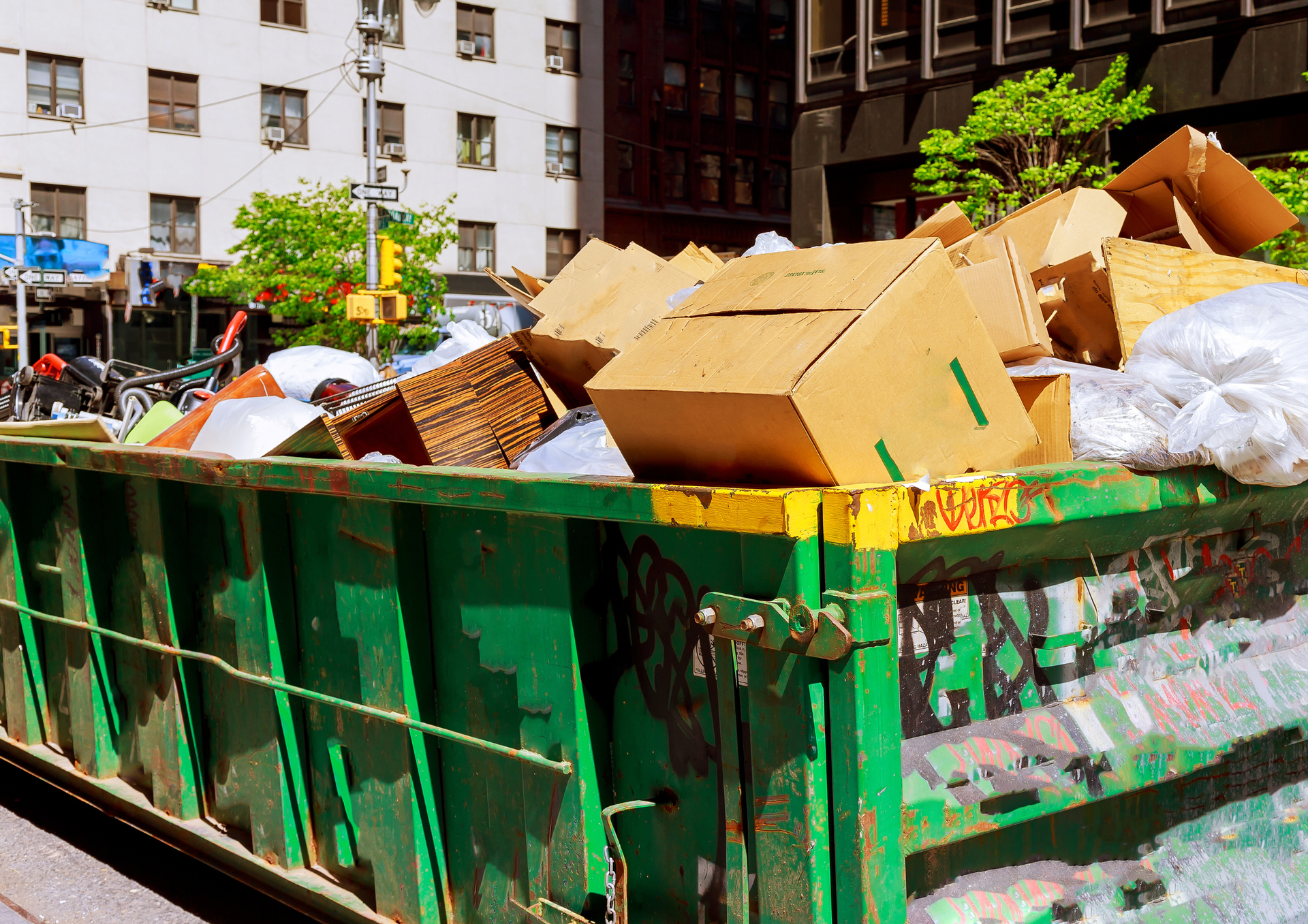
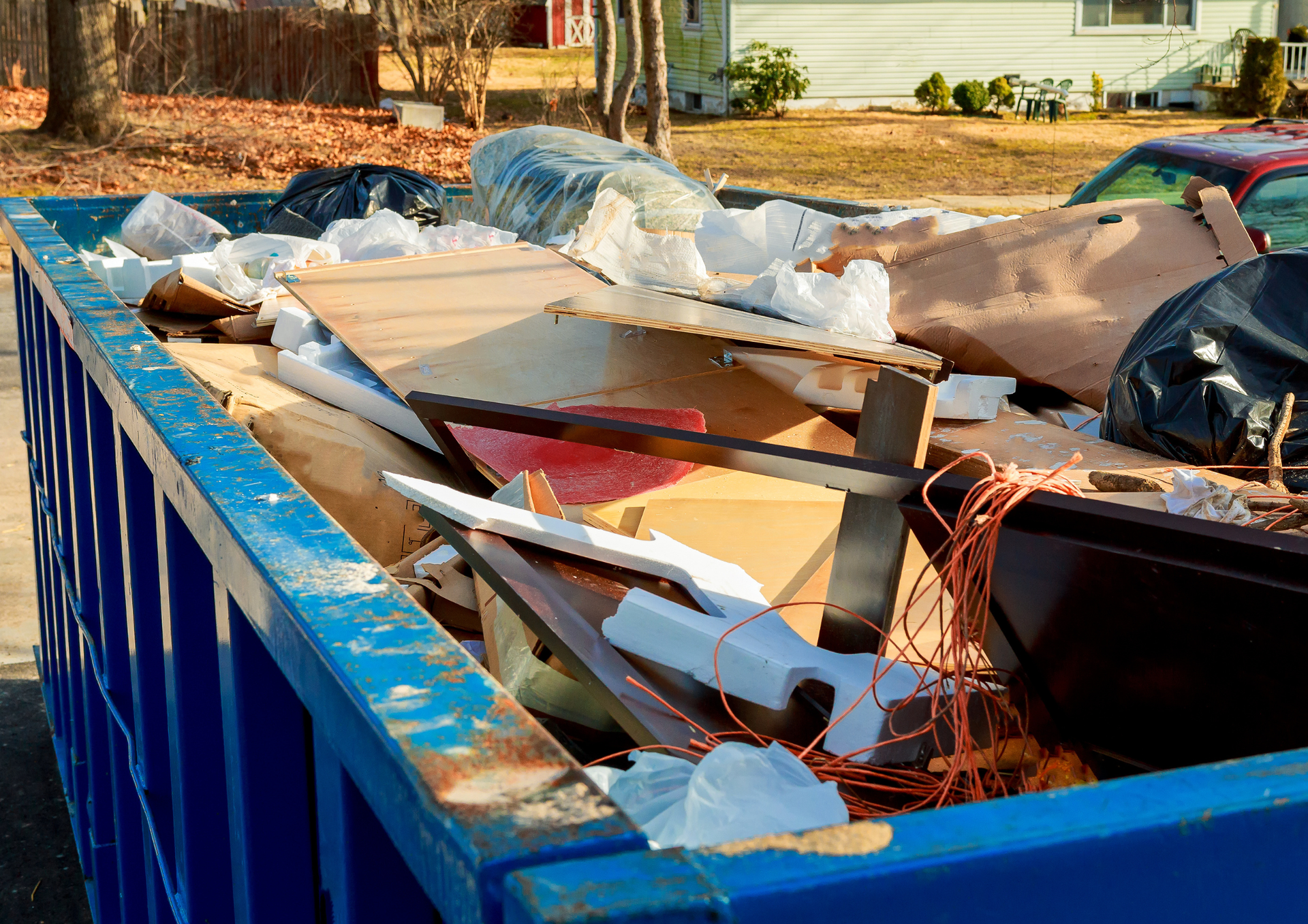
Light materials such as timber, plastics, cardboard, and packaging waste may fill a container without reaching maximum weight limits. These materials are commonly produced during refurbishment works and property improvements.
Heavier materials including soil, rubble, bricks, and tiles can quickly increase container weight even when the container appears only partially full. Projects generating dense materials may require careful planning to ensure waste is distributed evenly and containers remain suitable for safe collection.
Choosing the Right Container Size
Selecting an appropriate container size helps ensure waste can be removed efficiently without exceeding weight limits. Different projects generate different volumes and types of debris.
Domestic refurbishments and household improvements may produce moderate waste volumes suited to a 4 yard skip, which is commonly used for small renovation projects.
Construction works or landscaping projects producing heavier materials may require a 6 yard skip, offering additional capacity for building debris.
Larger property developments and demolition works may generate significant waste volumes, making containers such as an 8 yard skip suitable for managing larger loads.
For bulky or lightweight waste produced during major refurbishment works, some projects may require a 12 yard skip to accommodate larger quantities of materials. Selecting the correct container helps maintain efficient waste removal while preventing unnecessary delays during collection.
Loading Containers Safely and Efficiently
Proper loading practices play an important role when using skip hire, helping ensure containers remain within safe weight limits. Materials should be placed carefully to distribute weight evenly across the container.
Heavier materials should be positioned at the bottom of the container to provide stability during lifting. Lighter materials can then be placed above to maximise available space.
Breaking down bulky items before loading also helps ensure containers can be filled efficiently without exceeding weight restrictions.
Maintaining responsible loading practices ensures containers remain suitable for safe transport and collection.
Skip Hire Swansea
supports homeowners, landlords, surveyors, contractors, and local authorities managing residential and commercial developments across Swansea and surrounding areas. Our team provides practical guidance on container selection, delivery scheduling, and responsible waste disposal.
By working closely with our customers, we help ensure services remain organised, efficient, and suited to the needs of each project. With dependable delivery and responsive support, we provide reliable waste management solutions for projects of all sizes.
New Update on X: Skip Hire Weight Limits Explained for Efficient Waste Disposal.
You might also like