
Hiring a Skip for Shop Refurbishment Waste Clearance Guide Today
Refurbishing a shop is an excellent opportunity to modernise a commercial space, improve customer experience, and create a more practical working environment. Whether updating a small independent retail unit or renovating a larger commercial premises, refurbishment projects often generate substantial amounts of waste that require careful planning from the very beginning.
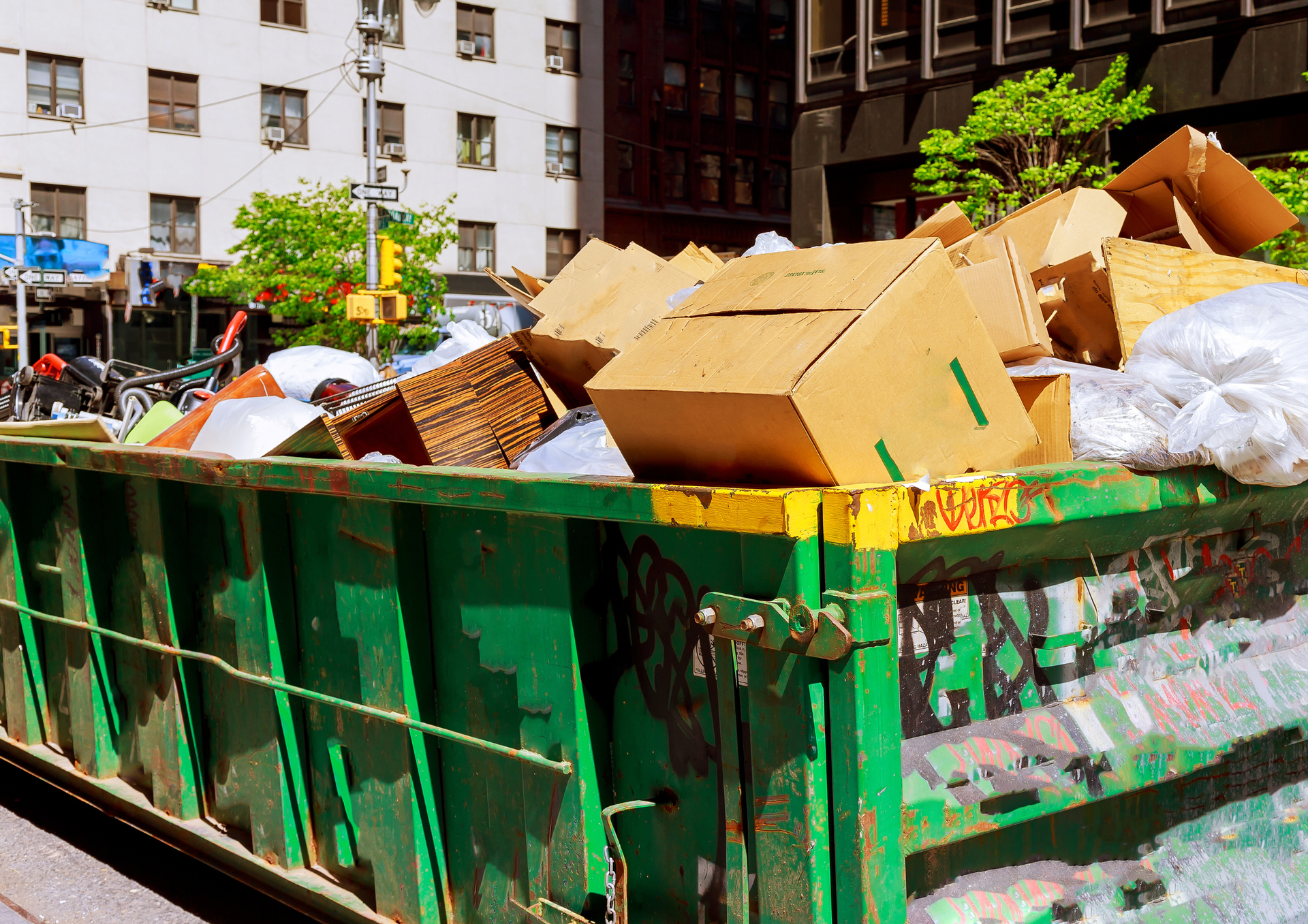
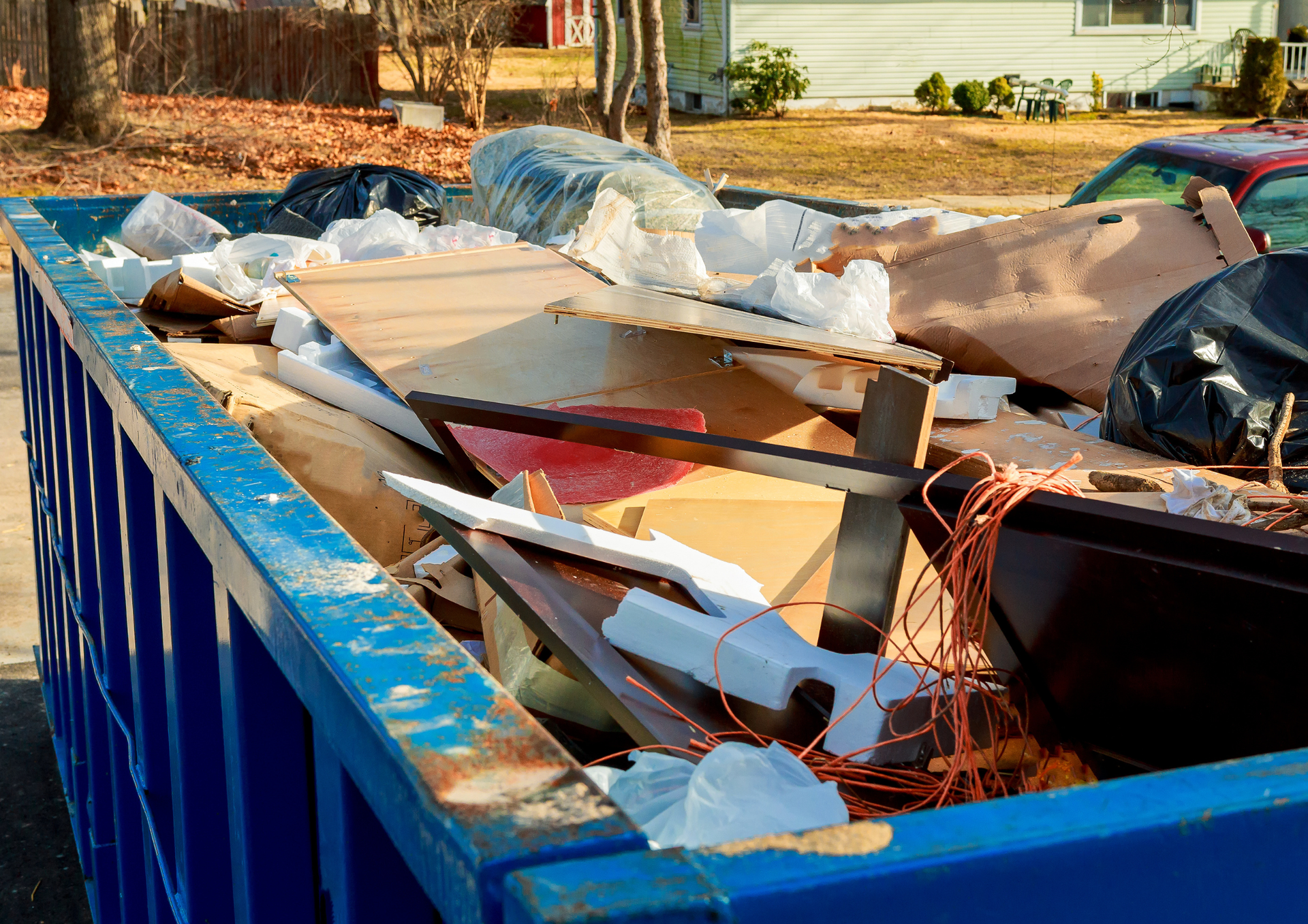
Old shelving, display units, flooring, plasterboard, timber, packaging, fixtures, fittings, and general construction debris can quickly accumulate, making the site difficult to manage if waste removal is not organised properly. Effective waste management helps maintain a cleaner workspace, supports safer working conditions, and allows refurbishment work to progress with fewer interruptions.
Many homeowners, landlords, surveyors, local authorities, and businesses involved in residential and commercial properties understand that planning waste removal before refurbishment begins often saves both time and unnecessary disruption later in the project.
We understand the importance of reliable waste solutions that support projects of every size while helping customers dispose of unwanted materials responsibly. Hiring a skip before work starts allows waste to be managed efficiently from the first day through to project completion.
Planning Waste Removal Before Refurbishment Begins
Every successful refurbishment starts with careful planning, and waste management should form part of those early preparations. Many people focus primarily on builders, decorators, electricians, or shop fittings, but overlooking waste disposal can create unnecessary delays once work is underway.
Before the refurbishment begins, it is useful to assess the types and volume of materials likely to be removed throughout each phase of the project. Hiring a skip early helps provide a designated place for waste as work progresses. Older retail premises may contain damaged shelving, timber partitions, ceiling tiles, flooring materials, plaster, insulation, shop counters, office furniture, lighting units, and considerable amounts of packaging from new installations, all of which can quickly accumulate during refurbishment.
Estimating the volume of waste helps determine the most practical disposal solution while reducing the likelihood of needing multiple collections during the refurbishment. A realistic assessment also helps keep the working environment organised as contractors continue through different stages of the project.
Access should also be considered early. Delivery vehicles require suitable positioning areas that allow waste to be loaded safely without obstructing pedestrians, neighbouring businesses, deliveries, or customer access where parts of the premises remain operational.
Projects carried out within busy shopping areas often benefit from scheduling deliveries and collections around quieter periods to minimise disruption. Good communication between everyone involved helps ensure waste removal fits naturally into the overall refurbishment programme.
Separating different waste materials where appropriate can also simplify disposal.
Timber, cardboard, metal, plastics, and general construction debris are often generated at different stages, making organised disposal easier throughout the project rather than waiting until completion. Forward planning creates a cleaner working environment and helps refurbishment teams remain productive without continually moving accumulated waste around the property.
Selecting the Most Suitable Skip for the Project
Choosing the correct skip size helps keep a shop refurbishment organised and reduces unnecessary interruptions. Estimating the amount and type of waste before work begins makes it easier to select a suitable skip, ensuring there is sufficient capacity throughout the project without paying for more space than required.
Choosing the Right Skip Size
For Smaller Refurbishment Projects
- 2 yard skip – Suitable for relatively small amounts of heavy waste where space is limited and only minimal waste is expected during the project.
For Medium Refurbishment Projects
- 4 yard skip – Ideal for mixed refurbishment waste such as replacement shelving, internal fittings, decorative materials, and moderate quantities of construction debris.
- 6 yard skip – Provides extra capacity for medium-sized refurbishments producing larger volumes of timber, plasterboard, flooring, packaging, display units, and general building waste.
For Larger Shop Renovations
- 8 yard skip – Well suited to complete shop strip-outs or larger refurbishment projects generating significant amounts of lighter construction materials, shelving, packaging, fixtures, and refurbishment debris over an extended period.
Planning Ahead
- Estimate the expected volume of waste before work begins.
- Consider the available space for skip placement.
- Selecting the correct size helps reduce the need for additional collections.
- An appropriately sized skip keeps the site organised and minimises delays caused by overflowing waste.
Seek Professional Advice
If you're unsure which skip size is most suitable, professional guidance can help estimate waste volumes based on the scope of your refurbishment. This allows you to choose the most practical option before work starts, helping the project run more efficiently from beginning to end.
Keeping Shop Refurbishment Sites Organised Throughout the Project
Maintaining an organised refurbishment site benefits everyone involved. Contractors are able to work more efficiently, deliveries become easier to manage, and unnecessary hazards caused by accumulated waste are significantly reduced.
As refurbishment progresses through demolition, construction, installation, decorating, and finishing stages, different waste materials appear at different times. Removing waste regularly prevents valuable workspace from becoming cluttered and allows tradespeople to move safely throughout the property.
Positioning waste containers close to the main work area helps minimise unnecessary lifting and carrying while encouraging waste to be disposed of immediately rather than being left inside the building.
Clear access routes remain particularly important where refurbishment continues alongside neighbouring occupied units or where limited public access remains available during phased renovation work.
Large items such as shelving units, display counters, damaged flooring, partition walls, ceiling panels, timber frames, and redundant fixtures should be removed promptly whenever practical. Hiring a skip provides a convenient place to dispose of this waste as it arises, helping maximise available working space and keeping the refurbishment site organised.
Good housekeeping also makes inspections easier. Surveyors, project managers, landlords, and local authorities can assess progress more effectively when the site remains tidy and accessible.
Packaging from new equipment, fixtures, lighting, point-of-sale systems, and furniture can accumulate surprisingly quickly. Disposing of these materials regularly helps prevent unnecessary congestion as installation work progresses.
Routine waste removal also helps improve productivity because contractors spend less time moving debris and more time completing refurbishment work according to schedule. An organised approach supports smoother project management from beginning to end while creating a more professional working environment for everyone involved.
Responsible Waste Disposal After Shop Refurbishment
Responsible waste disposal is an important part of any shop refurbishment project. Planning how waste will be managed from the beginning helps keep the site organised, supports efficient working practices, and makes the final stages of the refurbishment much easier to complete.
Managing Different Types of Waste
- Different materials often require different methods of disposal.
- Common refurbishment waste includes timber, metals, cardboard, plastics, masonry, plasterboard, and general mixed waste.
- Keeping waste organised throughout the project makes handling and disposal more straightforward.
Organising Waste Efficiently
- Separate materials where practical to improve overall waste management.
- Reducing contamination between recyclable and non-recyclable waste helps maintain an organised site.
- Regular waste removal prevents large quantities of debris from building up.
Planning Throughout the Refurbishment
- Arrange waste removal from the start rather than waiting until the project is nearly complete.
- Continuous waste management helps reduce disruption during busy stages of the refurbishment.
- Property owners managing multiple premises can benefit from using a consistent waste management approach across different projects.
Preparing for Project Completion
- Carry out a final clearance before cleaning, inspections, and installing new stock or fittings.
- A tidy site makes merchandising and reopening more efficient.
- Careful planning combined with dependable waste removal helps refurbishment projects progress smoothly while maintaining well-organised working conditions from start to finish.
At
Skip Hire Swansea, we aim to provide dependable waste removal solutions that support refurbishment projects of every size. We understand that every project is different, which is why we offer practical guidance to help customers choose the most suitable skip for their requirements.
Our focus is on reliable service, straightforward booking, prompt deliveries, and collections that help keep refurbishment work progressing smoothly. We work with homeowners, landlords, surveyors, local authorities, and businesses managing residential and commercial properties, providing waste management solutions that fit naturally around refurbishment schedules.
With a commitment to professional service, clear communication, and responsible waste handling, we provide practical support from the beginning of your project through to its successful completion.
Don't Miss Out on X: Keep shop refurbishment work organised by hiring a
skip.
You might also like